Cybercriminal activity remains high as we enter 2026, with a mix of traditional and increasingly sophisticated scams targeting individuals and businesses.
Scammers continue to leverage AI, impersonation and psychological tricks to steal credentials, personal information, or direct payments.
Below are the most common scams circulating right now, along with practical guidance on how to spot and avoid them.
What To Do If You Receive a Suspicious Message
The safest response to any suspicious email, text, or call is:
-
Mark it as spam or phishing in your email or SMS app
-
Delete it immediately after marking it
-
Do not click any links
-
Do not reply
-
Do not forward it on (including for opinions)
Never trust contact details inside a suspicious message.
Always use official websites or support contact channels instead.
This Month’s Top Scams Worth Knowing About
1. Quishing - Malicious QR Code Scams
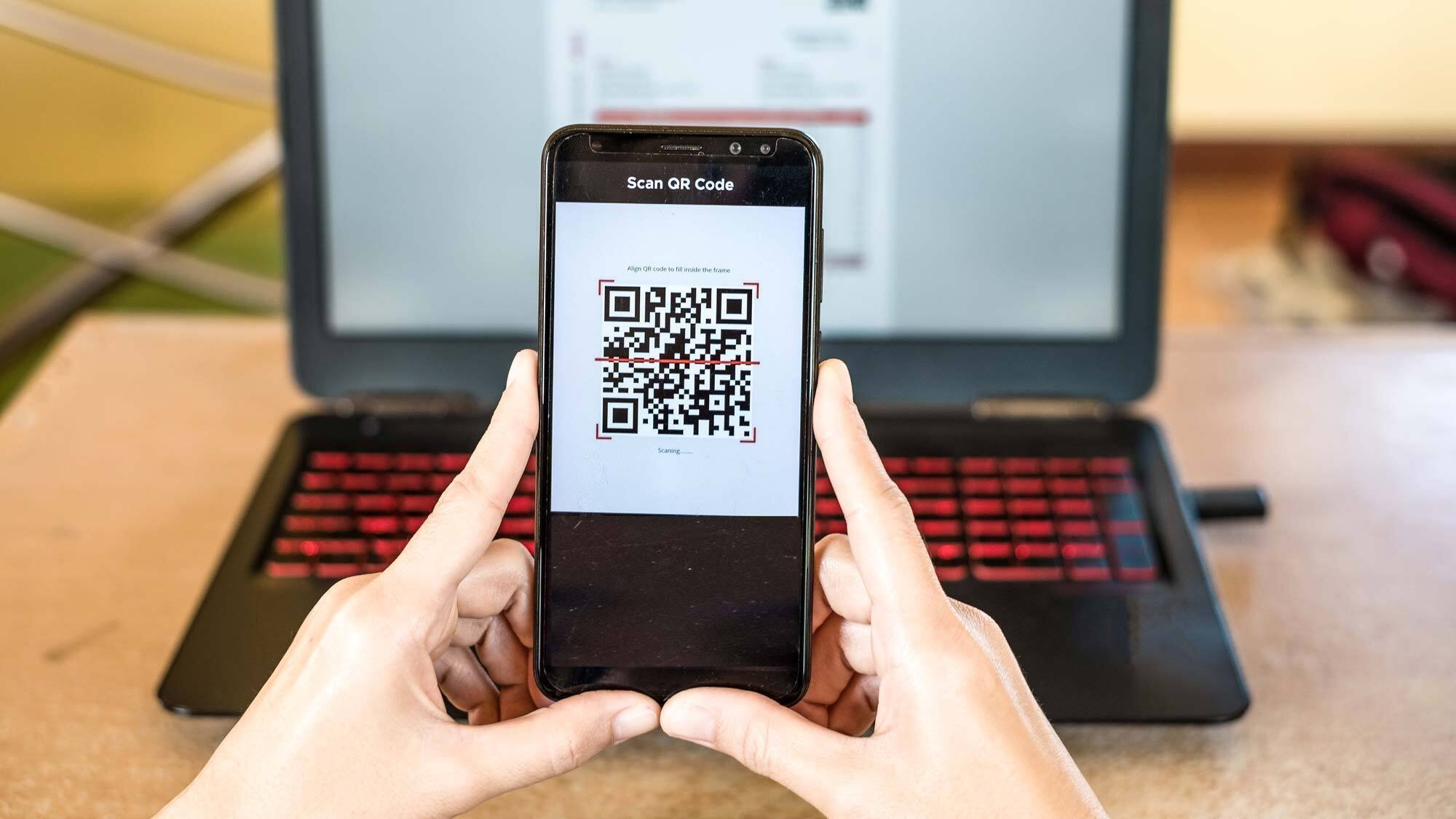
A new scam trend involves malicious QR codes embedded in phishing emails. These codes lead to fake login portals designed to harvest credentials or install malware. Authorities have warned that attackers are increasingly using “quishing” techniques to trick users into scanning codes that look legitimate but route to harmful sites.
What to look out for:
-
QR codes in unsolicited emails claiming urgent security updates
-
QR codes that open unexpected login pages
-
Messages urging you to scan the code to verify your account
Tip: Only scan QR codes from trusted, verified sources.
2. Impersonation and Brand Phishing Scams
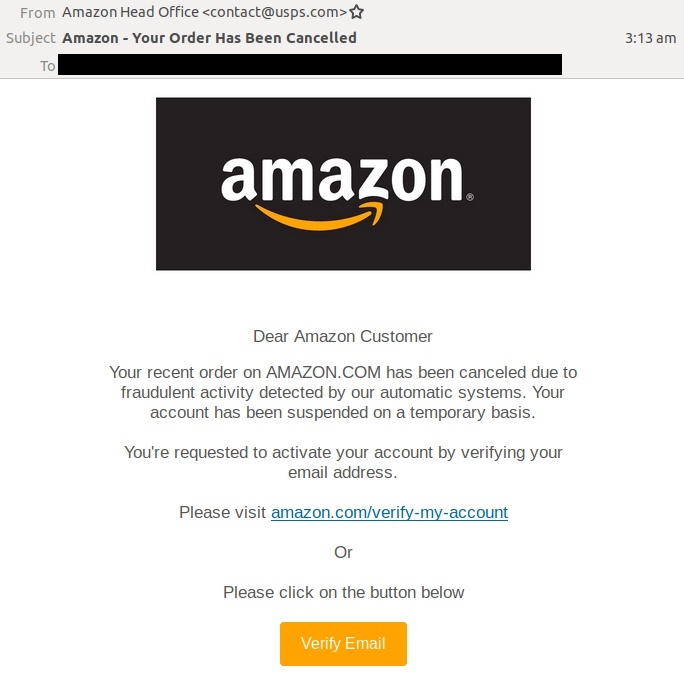
Scammers are upping the quality and frequency of impersonation attacks, where they pretend to be trusted organisations, government agencies, financial institutions, or services. These scams often use stolen branding and sophisticated language to lure victims.
Common impersonation formats include:
-
Emails that appear to be from banks asking to “verify account details”
-
Messages claiming to be from public services or utility providers
-
Fake internal corporate emails asking for credentials
Tip: Always hover over links to check the URL and log in only via the official website.
3. EE Points Scam (Text Message Phishing)
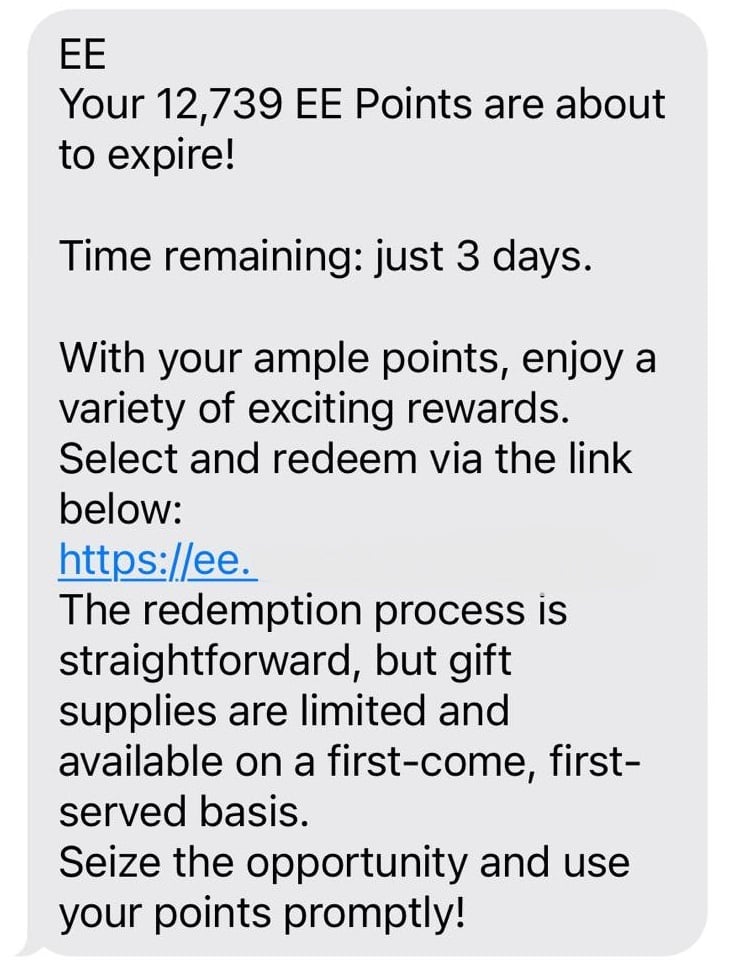
A fraudulent text message claiming you have “EE Points” to redeem rewards is circulating, with a link that leads to a phishing site. This scam works by making the offer sound legitimate and time-sensitive.
Tip: Forward scam texts to 7726 (UK number) to report them and never redeem rewards via unsolicited links.
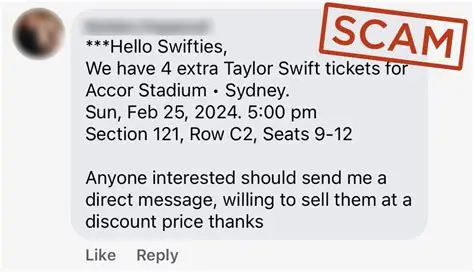
4. Ticket Fraud and Fake Event Listings
Consumer protection warnings indicate that ticket fraud remains high in January 2026, especially for events, concerts and festivals. Scammers post fake gig or event tickets on social media or marketplace sites, then disappear after payment.
What to watch for:
-
Tickets offered at unusually low prices
-
Sellers insisting on bank transfer or cash payment
-
Listings without clear venue confirmation or official seller links
Tip: Always buy tickets from the venue’s official box office or authorised seller.
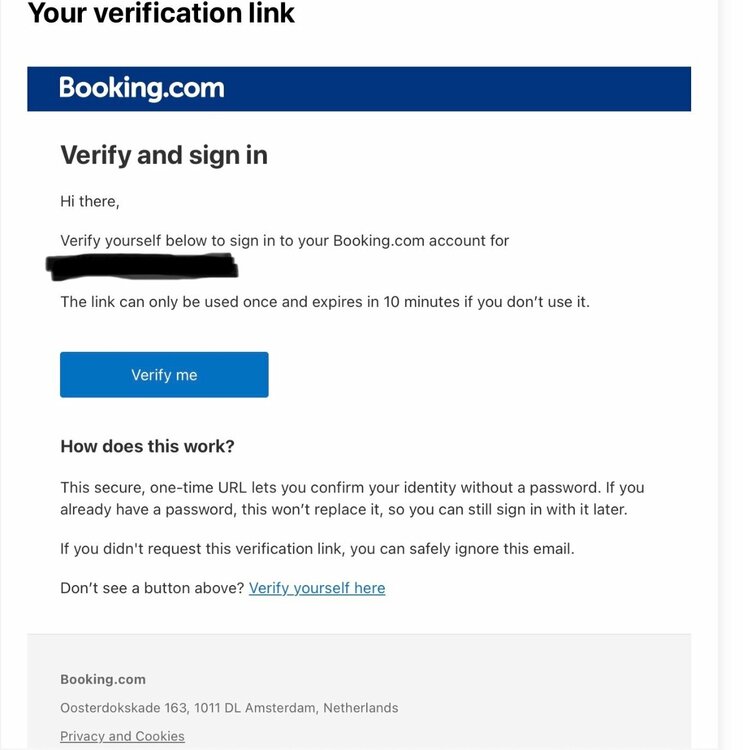
5. Holiday and Travel Booking Scams
Even after the peak holiday shopping season, fake travel and holiday booking websites continue to be active. These sites may look like legitimate booking portals but take payment and never deliver confirmed reservations.
Warning signs:
-
“Too good to be true” pricing
-
Lack of verified contact info
- Incorrect URL when hovering over email link
-
No reviews or opaque customer feedback
Tip: Research independently and book travel only through reputable sites, and if you receive an email with an amazing offer, always hover over the URL to check it is the legitimate organisation.
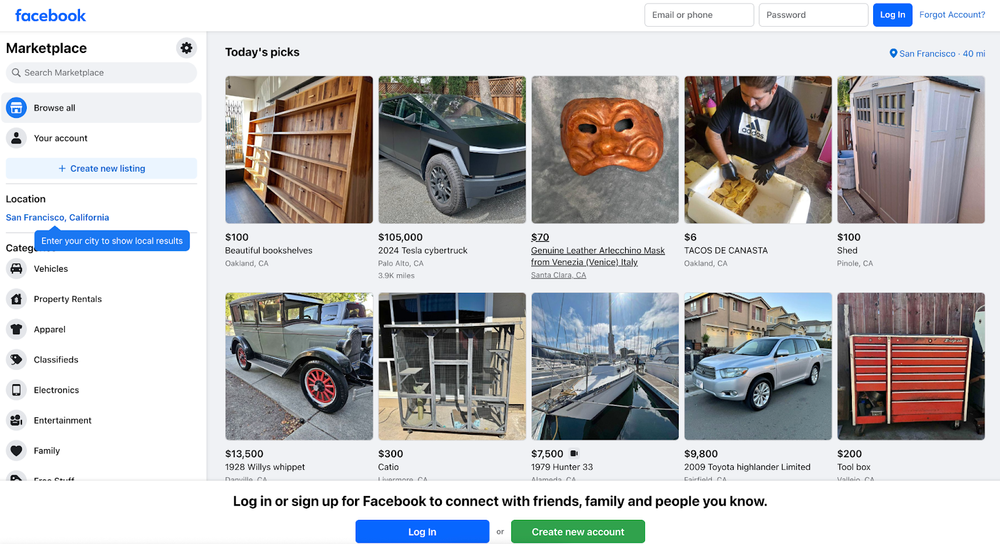
6. Marketplace and Classified Ad Scams
Social media marketplaces and classified ad platforms are fertile ground for scams, where fraudsters post items that don’t exist or require payment before delivery. Fake listings often:
-
Use low prices to entice fast action
-
Ask buyers to communicate off-platform
-
Accept unusual payment methods
This aligns with broader trends showing marketplace scams are widespread in 2026.
Tip: Treat deals that pressure you to act fast with suspicion and always complete transactions through platform-supported methods.
Staying Informed
We will continue to monitor the latest threats and share the most important scams in our monthly Scam Watch so you and your team can stay ahead of new tactics.
If you would like to discuss your organisation’s cybersecurity or would benefit from advice on improving your protection, we are here to help.



.png?width=100&name=HBP%20Gradient%20Bar%20(210mm).png)

 info@thehbpgroup.co.uk
 01482 423910


.png?width=2484&height=10&name=HBP%20Gradient%20Bar%20(210mm).png)