ERP Software

Market-Leading ERP, Expertly Matched to Your Business

Whether you already know what you need or want help narrowing your options, we guide you to the ERP software that fits your business today — and as it grows.

With over 35 years’ experience and partnerships with four market-leading ERP platforms, we help organisations make the right decision with confidence.

Not Sure Which ERP Is Right?

We'll be in touch within 1 working day to book in a suitable time to meet with one of our ERP experts.
ERP Homepage Our Process

ERP Projects Work Best with A Clear Process.

Choosing and implementing ERP isn’t just about software - it’s about how the project is planned, delivered and supported. We want you to know exactly what working with us looks like.

Our ERP process is structured, proven and built around your business - from early discovery through go-live and beyond. Clear communication, defined stages and accountability throughout.

Four Leading ERP options for different stages of growth.

There’s no single “best” ERP — only the one that fits your business.

That’s why we work with four leading ERP platforms. Each serves a different type of organisation and stage of complexity, and our role is to help you understand which one makes sense for you.

BC Product Division
link

Business Central

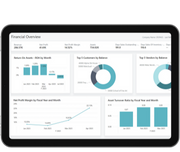
Microsoft's modern, cloud ERP that adapts as your business evolves.

Best for: Businesses that need flexibility, scalability and deep integration across all operations.

Intacct Product Division
link

Sage Intacct

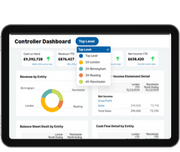
Built for finance teams who need real-time insight and confidence at board level.

Best for: Businesses that need advanced reporting, control or visibility across multiple entities.

Sage 200 Product Division
link

Sage 200

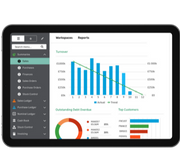
A trusted ERP for those who have outgrown entry-level systems.

Best for: Businesses that need robust financial and operational control without complexity.

Pegasus Product Division
link

Pegasus Opera 3

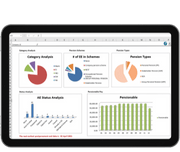
For those that value stability, flexibility and long-term reliability.

Best for: Businesses that need a dependable, SQL-based ERP with strong control over data.

Why Businesses Like Yours Choose The HBP Group for ERP

Choosing the right ERP is only part of the decision. The right partner is what ensures the system delivers real value — not risk or disruption.

Deep Knowledge Icon
Independent ERP Advice

We work with four leading ERP platforms, allowing us to recommend the system that fits your business — not push a single product.

proven-erp-implementation
Proven ERP Implementation

With over 34 years’ experience, our teams have delivered ERP projects for growing UK organisations across finance and operations.

Service Desk Icon
Long-Term UK-Based ERP Support

Our AAT-accredited support teams provide ongoing ERP support across Sage, Dynamics and Pegasus systems — before, during and long after go-live.

Security 3 Icon
ERP for Growing SMEs

We specialise in ERP for SMEs, supporting thousands of ERP systems and helping businesses scale without unnecessary complexity.

Got 2 Minutes? Watch A Quick Intro To Our Approach.

In just a couple of minutes, you can see how we work and what you can expect from our ERP implementation process.

Watch the intro video or download the brochure for a clear overview—then explore the details whenever it suits you.


Managed IT Services Brochure Insight

What Our Customers Achieve With Our ERP Services

Our work speaks for itself. See how we’ve helped organisations choose, implement and get long-term value from their ERP systems.

Frequently Asked Questions
What is an ERP System?

An ERP (Enterprise Resource Planning) system is a central platform that brings together key business functions — such as finance, operations, reporting, inventory, and supply chain — into a single, integrated system. Instead of relying on disconnected software and spreadsheets, ERP provides one consistent source of data across the organisation, improving visibility, control, and decision-making.

For growing businesses, ERP plays a critical role in reducing manual processes, improving accuracy, and enabling teams to work from the same information in real time. When implemented correctly, it helps organisations scale without adding unnecessary complexity.

At The HBP Group, we’ve spent over 35 years working with ERP systems across UK SMEs, helping businesses move away from fragmented processes and towards joined-up, reliable systems that support long-term growth. Our experience across multiple ERP platforms means we understand not just what ERP is but how it works in practice for different types of organisations.


Why do businesses use ERP systems?

Businesses use ERP systems to bring structure, visibility, and control to operations as they grow. As organisations scale, spreadsheets and disconnected systems struggle to keep up — ERP provides a single, reliable platform that supports better decisions and more efficient ways of working.

Improved visibility across the business

ERP systems give leadership teams real-time access to accurate data across finance, operations, inventory, and reporting. Instead of relying on delayed or conflicting information, businesses can see how the organisation is performing as a whole and respond faster to change.

Better control and consistency

By standardising processes and data, ERP helps businesses reduce errors, improve compliance, and maintain control as complexity increases. This is particularly important for finance teams responsible for reporting, forecasting, and governance.

Increased efficiency and reduced manual work

ERP replaces manual processes and duplicate data entry with automated workflows. This frees teams from time-consuming administration and allows them to focus on higher-value work, such as analysis, planning, and improvement.

Stronger decision-making

With one source of truth, ERP enables more confident, data-driven decisions. Leaders can assess performance, identify risks, and plan for growth using accurate, up-to-date information rather than assumptions or incomplete reports.

A platform that supports growth

ERP systems are designed to scale as businesses evolve — whether that means adding new users, locations, entities, or processes. When implemented correctly, ERP supports growth without adding unnecessary complexity or operational strain.

At The HBP Group, we’ve spent over 35 years helping UK SMEs use ERP systems to move from fragmented processes to joined-up, reliable operations. Working across multiple ERP platforms, we focus on ensuring businesses get the outcomes ERP is meant to deliver — not just new software, but clarity, control, and confidence to grow.

How much does an ERP system cost?

ERP pricing varies depending on the software chosen, the scope of the project, and the level of implementation and support required. There is no fixed price for ERP, as costs are influenced by how the system is configured and how it supports your business processes.

What influences the cost of an ERP system

ERP costs typically depend on several factors, including:

  • The ERP platform and licensing model

  • The number of users and entities

  • The complexity of finance and operational processes

  • Data migration and system integrations

  • Implementation, training, and ongoing support

Understanding these factors helps businesses budget realistically and avoid unexpected costs later.

Software cost vs implementation cost

ERP investment isn’t just about software licences. A significant part of the cost relates to implementation — including planning, configuration, data migration, training, and testing. A well-implemented ERP system delivers far more value over time than a low-cost system that isn’t configured properly or adopted by users.

Planning ERP investment properly

At The HBP Group, we focus on helping organisations understand what drives ERP cost and how to align investment with long-term value. Rather than starting with a price list, we work through requirements, priorities, and outcomes, so the ERP solution fits both operational needs and budget expectations.

Focusing on value, not just cost

The true cost of ERP should be considered alongside the value it delivers — improved efficiency, better visibility, reduced risk, and the ability to scale with confidence. A clear, structured approach helps ensure ERP investment delivers measurable benefits rather than becoming an ongoing expense.

How long does ERP implementation take?

ERP implementation times vary depending on the size of the business, the complexity of processes, data quality, and how much change is required. There is no single timeline that fits every organisation, but successful ERP projects follow a clear, structured approach rather than being rushed or open-ended.

What influences ERP implementation timescales

Several factors determine how long an ERP project takes, including:

  • The number of users and entities involved

  • The complexity of finance and operational processes

  • Data migration requirements and data quality

  • The level of integration with other systems

  • Internal availability for decision-making and testing

A well-planned ERP project focuses on readiness as much as speed.

A structured, phased approach

At The HBP Group, ERP implementations are delivered through a phased process designed to reduce risk and avoid disruption. This typically includes:

  • Discovery and planning to understand business requirements and define scope

  • Design and configuration aligned to real-world processes

  • Data migration and testing to ensure accuracy and reliability

  • Training and preparation to support adoption

  • Go-live and stabilisation, followed by ongoing support

Each stage has clear objectives, responsibilities, and checkpoints, so progress is visible and controlled throughout.


What happens after the ERP system goes live?

Go-live is the start of using your ERP, not the end of the project. After implementation, systems need ongoing support and refinement to ensure they continue to work effectively as the business evolves.

At The HBP Group, we support organisations through the post-go-live phase by helping teams settle into new ways of working, resolving issues quickly and ensuring the system remains reliable. Over time, we continue to advise and optimise the ERP as processes change, users grow, or new requirements emerge.

Our approach focuses on long-term value, making sure your ERP continues to support the business well beyond implementation.

How Do You Help Businesses Choose An ERP System?

Choosing ERP isn’t about picking the “best” software — it’s about finding the right fit for your business, your team, and your plans for growth.

We start by understanding how your organisation operates today, what’s working, and where systems are holding you back. From there, we narrow down the ERP options that genuinely make sense based on your size, complexity, reporting needs, and future goals.

Because we work with multiple leading ERP platforms, our role is to guide you objectively rather than push a single solution. We explain the differences clearly, outline the trade-offs, and help you make a confident, informed decision - whether you already have a preference or are starting from scratch.